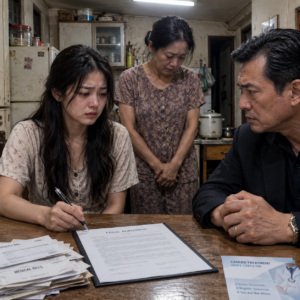
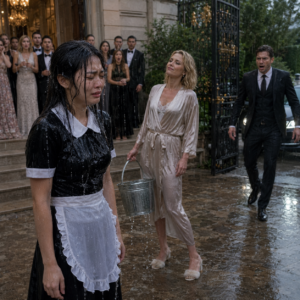
After 11 Years Abroad She Cane Home To Find Her Husband Cheating With Her Sister

For 11 years, Ada lived in seasons that did not feel like hers. Winter bit at her fingers the first year she arrived abroad. The cold was cruel. Not just the weather, but the loneliness. The streets were orderly, efficient, distant. People moved with purpose, eyes forward, lives compartmentalized.
Nobody stopped to ask whose daughter she was. Nobody cared who her father knew. She was just another immigrant woman with an accent and a dream. She arrived with two suitcases, a scholarship letter, and a marriage certificate folded carefully between her clothes. Oena had held her hands at the airport back in Nigeria and promised her it was temporary.
Just go and set us up, he had said. When everything is stable, I’ll join you. She believed him. The first 3 years were survival. She studied during the day and worked nights cleaning offices. The scent of disinfectant became her second skin. Her hands grew rough. Her back achd constantly. Sometimes she would lean against the mo
p handle at 2:00 a.m. and whisper to herself. This is not forever. Oena called often at the beginning. He would tell her about the neighborhood, about church, about her parents checking in. He sounded proud when he told people his wife was abroad. My wife is building something for us, he would say. And Ada would smile into the phone, exhaustion dripping from her voice.
Every month, without fail, she sent money home. Not small money, big money, money for land, money for foundation, money for blocks, money for roofing sheets. She didn’t buy designer bags. She didn’t travel. She didn’t indulge. While her colleagues posted vacation pictures from Greece and Italy, Ada refreshed exchange rate apps and construction updates from back home.
The house began as a sketch she drew during a lecture break. Three bedrooms upstairs point one guest room downstairs. Large kitchen because she loved cooking. Dot. A balcony facing east for sunrise prayers. She emailed the design to Oena. What do you think? She had asked. I trust you, he replied.
You always have good taste. That response warmed her for weeks. They bought land in a quiet estate on the outskirts of the city. She paid for everything. When the foundation was laid, Oena sent her videos. She replayed them over and over. Each block felt like proof that the distance meant something.
Each pillar whispered, “You are not suffering for nothing.” As years passed, the house rose slowly from red earth. There were arguments sometimes. Why does it cost more again? Ada would ask over the phone. Prices have gone up, Oena would say. You know how Nigeria is. She never doubted him. Why would she? He was her husband.
And Chidura, her younger sister, often visited the site to help supervise. Ada liked that. It made her feel like family was involved, like her sacrifices were shared. Your house is fine. Oh. Chitter would laugh on video calls, spinning the camera around dramatically. When I marry, I’m coming to live with you.
Ada would laugh too. Go and find your own husband, she would tease. She did not know those words would one day echo bitterly in her memory. By year 7, the house was nearly complete. She upgraded the tiles from ceramic to marble. She chose a grand staircase with polished railings. She installed tall glass windows to let in light.
“It’s too expensive,” Oena warned gently once. “It’s our home,” Ada replied. “I want it beautiful.” She imagined returning to Nigeria and walking through the front doors while neighbors gathered in admiration. She imagined church members whispering, “That’s the woman that went abroad and built this, not for pride, but for proof.
proof that a woman could leave work, sacrifice, and still honor her marriage. By year nine, her visits home became less frequent. Work responsibilities increased. Promotions came. She sent even more money. Oena did not talk about joining her abroad anymore. There’s no need now, he said once. The house is almost ready. Come back instead. She agreed.
After 11 years, she had saved enough. Enough to invest, enough to rest, enough to come home. Her colleagues threw her a farewell dinner. You sure you want to go back? One asked. Life is easier here. Aa smiled. My life is there. On the flight home, she barely slept. Her heart fluttered with anticipation. She did not tell Oena her exact arrival time.
She wanted to surprise him. She imagined his face lighting up when he saw her at the door. She imagined running into his arms. She imagined walking through the house together, touching walls, laughing at memories of long-d distanceance arguments over paint colors. The plane landed in humid evening air. Nigeria smelled like dust, fuel, and familiarity.
It wrapped around her like an old song. Her parents met her at the airport first. Tears flowed freely. Her mother touched her face as if confirming she was real. You have lost weight, her mother said immediately. Ada laughed. Mommy, I’m fine. They talked the whole drive from the airport. Her father asked about her job.
Her mother asked about grandchildren in coded language. Now that you are back, we will hear good news, she said with a knowing smile. Ada blushed. Yes, mommy. She did not stop at her parents’ house. I want to see him, she said shily. Her parents exchanged smiles. Go, go, her father waved her off. Let him faint when he sees you.
The estate gate recognized the car number plate. She had arranged it years ago. The security guard straightened immediately. Madam, welcome. He greeted surprised. She smiled warmly. Thank you. As the car rolled slowly toward the house, her chest tightened. There it was. Cream-colored walls glowing under soft outdoor lights.
Tall black gate, balcony facing east, just as she designed. It looked even bigger than she remembered. For a moment, she just sat there. 11 years, every night shift, every tear, every skipped holiday, all standing before her in concrete and glass. She stepped out of the car slowly. The night air was warm, familiar, alive with distant generator hums and crickets.
Her heels clicked against the tiled entrance as she approached the door. The porch light was on. She smiled. He’s home. She reached for the handle, but it was unlocked. She frowned slightly. Oena was usually careful. Maybe he was expecting someone. Maybe Chidura had visited. The thought made her smile again. She pushed the door open gently.
The scent inside was not what she expected. There was perfume, not hers. Sweet, floral, fresh. She stepped into the living room. The furniture she chose. The curtains she paid for. The chandelier she ordered specially. Everything in place. But something felt shifted. Then she heard it. Laughter. Soft at first, then clearer. Female laughter. Upstairs.
Adah froze. Her brain tried to explain it away. Maybe Chidura is visiting. Maybe they’re watching a movie. Maybe it’s nothing. But the laughter wasn’t casual. It was intimate. Close followed by Oena’s voice lower than usual. She could not hear words, only tone, comfort, ease. Her heart began to pound so loudly she felt it in her ears.
She placed her hand on the staircase railing, the polished one she had insisted on importing. Each step upward felt heavier than the last. The house was silent except for the sounds from the master bedroom. Her bedroom, the door was slightly open, and just before she reached it, just before she could see inside, she heard Chitter’s voice clearly laughing. Ada stopped breathing.
The world did not crash. It narrowed to that door, to that sound, to the realization slowly creeping in like cold water under a locked door. Something was wrong, very wrong, and the house she built with love was about to become the place her heart would break. Ada stood outside the master bedroom door, her hand hovering inches from the polished wood. Her breathing was shallow.
Her mind was racing, not with conclusions, but with excuses. Maybe Chidura is just helping him arrange something. Maybe they’re planning a surprise for me. Maybe I’m overthinking. But laughter does not lie. And there was something about the way it flowed, relaxed, intimate, unguarded, that made her stomach tighten. Then she heard it.
Oena’s voice, soft, lower than usual. The voice he used when he wanted to comfort her after a long shift. The voice he used when he whispered prayers beside her during the early years of their marriage. Adah’s hand slowly pushed the door creaked slightly. The sound inside stopped for half a second. There was silence.
Then the door swung open wider and time cracked. The curtains were half-drawn. The bedside lamp was on, casting a golden glow across the room. The air conditioner hummed quietly. On the bed her bed were Oena and Chitterra. Too close. Far too close. Chidura was sitting upright, wrapped loosely in a bed sheet that Ada had shipped from Italy three years ago.
Her hair was messy, not styled, undone in a way that told its own story. Oena stood up so fast the mattress dipped sharply. His shirt was unbuttoned. There are moments in life when the body understands before the brain does. Aida’s knees weakened, but she did not fall. She did not scream. She did not cry.
She just looked at the man she married do a t the sister she raised because she had raised her paid her school fees sent her money bought her a laptop sent birthday gifts from overseas she remembered Chitterra’s first year in university crying over hostile fees had transferred the money without hesitation oud you had told her then and now the same sister sat in her bedroom clutching her sheets Add a OA stammered.
He took a step forward. She stepped back. Not dramatically, just enough to create distance. Chitter’s eyes filled with tears immediately, whether from shame or fear. Ada could not tell. It’s not what you think, Oena said quickly. There are sentences that insult intelligence. That was one of them. Ada tilted her head slightly, studying him as though he were a stranger she had just met at a bus stop.
Then what is it? She asked quietly. Her voice was calm. Too calm. Chitter tried to speak. Sister I don’t. Ada said not loudly but firmly. Chidura went silent. The room suddenly felt too small. 11 years of sacrifice stood between them like a ghost no one wanted to acknowledge. I came home to surprise you, Ada said softly, almost conversationally. Oena swallowed hard.
I didn’t know you were coming today. Yes, she replied. That was the point. Silence, the kind that presses on your chest. Chitter adjusted the sheet around her body, avoiding Ada’s eyes. That small action, the modesty after a modesty, almost made Ada laugh. Almost. How long? Ada asked. Neither of them answered. She nodded slowly.
Long enough. Oena ran a hand over his face. Ada, please. Let’s talk about this maturely. Maturely. Ada felt something inside her chest twist. Maturely? She repeated. You’re in my house, my bedroom, with my sister, and you want maturity? Her voice didn’t rise. That was what made it terrifying. Chitter finally slid off the bed, still clutching the sheet.
It wasn’t supposed to happen like this, she whispered. Ada turned to her fully for the first time. You mean accidentally? Ada asked. No, I mean, Chitter’s voice trembled. It just happened. Affairs never just happen. They are built in layers of secrecy and silence. Ada’s gaze dropped to the side table. Two wine glasses half full.
She remembered sending money for that wine rack. I see you’ve been comfortable, she said. Oena’s frustration started creeping in. “Ada, don’t do this.” “Do what?” she asked. “Talk like we’re criminals,” she looked at him long and hard. “You’re not criminals,” she said quietly. “Criminals hide.” Another silence.
And then something unexpected happened. Chitter stepped forward. “Sister, I’m sorry.” The word hung uselessly in the air. Sari could not return 11 years. Sari could not erase the image burned into Ada’s mind. Sari could not cleanse the betrayal that now soaked the walls of the house. Why? Ada asked. It was not a scream. It was not accusation. It was genuine curiosity.
Why? Chitter’s tears fell freely now. I don’t know. He was lonely. You were far. We started talking more. One thing led to another. Ada blinked slowly. Lonely. She thought of freezing bus stops at 5:00 a.m. of cleaning toilets while classmates slept. Dot of eating instant noodles because she sent most of her salary home. Lonely? She turned to Oena.
And you? She asked. He hesitated. That hesitation said everything. I made a mistake. He said finally. A mistake? Ada repeated softly. like forgetting car keys, like sending money to the wrong account. She nodded once. I see. There were so many things she could have done. Thrown something, slapped someone, collapsed, begged, but instead she did something that frightened them both.
She smiled, not warmly, not kindly, just a small resigned curve of the lips. “I hope it was worth it,” she said. Then she turned and walked out. Where are you going? Oena called after her. She didn’t answer. Her steps down the staircase were steady, controlled, mechanical. Each stair she descended felt like walking away from a version of herself that no longer existed.
The living room lights glowed softly, unaware of the earthquake upstairs. She paused briefly by the large window. The window she had chosen because she loved natural light. It now reflected a woman she barely recognized. Strong, composed, broken. She picked up her suitcase from where she had left it near the entrance. She did not slam the door.
She closed it gently behind her. Outside, the night air hit her face. For a moment, she stood still. Then the tears came. Not loud sobs, not dramatic wailing, just silent streams that refused to stop. Her chest hurt physically as if someone had pressed a stone inside it. She got into her car but did not start it immediately. Her hands trembled now.
The calm had worn off. Images replayed without mercy. Chitter’s hair do Oena’s unbuttoned shirt. The sheets. Her sheets. She inhaled deeply then exhaled. Then she started the engine. The drive to her parents’ house felt surreal. Street lights blurred through tears. Familiar roads looked foreign. Her phone buzzed repeatedly. Oena calling.
She silenced it. Then it buzzed again. Chitter. She turned the phone face down. By the time she reached her parents’ gate, her tears had dried. Not because the pain was gone, but because her body had run out of fluid to offer. Her mother opened the door before she could knock. “You’re back so soon?” she asked cheerfully. Then she saw Ada’s face.
The smile vanished. Ada, her father, appeared behind her mother. What happened? Ada opened her mouth. Nothing came out at first. How do you explain betrayal in one sentence? How do you summarize 11 years collapsing? Finally, she said quietly. They were together. Her mother frowned. Who? Ada’s voice cracked for the first time.
Oena and Chidura. The words settled like dust after an explosion. Her mother staggered backward. Her father’s expression hardened instantly. “What are you saying?” he demanded. Ada nodded once. “In my bedroom.” Silence filled the house. Heavy. Disbelieving. Shattered. Her mother began to cry loudly.
Her father sat down slowly as if his legs had forgotten how to function. And Ada, Ada stood there, not crying, not screaming, just empty. The house she built was no longer a home. It was a monument to misplaced trust. And somewhere upstairs in that house. Laughter had turned into the sound that would echo in her mind for years to come. The sound that broke her.
By morning, the house felt different. Ada hadn’t slept. She lay on her childhood bed, staring at the ceiling fan spinning slowly above her, listening to the quiet sounds of her parents moving around the house. No one mentioned breakfast. No one mentioned church. No one mentioned normal life.
Her mother’s eyes were swollen from crying. Her father’s jaw was set in a way Ada had only seen twice before. Once when a relative tried to cheat him in a land deal, and once at his own brother’s funeral. This was not a small matter. This was disgrace. At 9:17 a.m., her father made the call. His voice was calm, but it carried iron beneath it.
Oena, come to my house out and come with Chidura. No explanations dot and no room for argument. He hung up before Oena could respond. Ada sat in the living room in silence. Her hands folded neatly on her lap. She wore a simple gown, nothing dramatic. Her face was bare. No makeup, no jewelry. She looked like a woman attending a funeral.
Maybe she was. At 10:03 a.m., a car pulled into the compound. Her mother stiffened. Her father stood. Ada did not move. The door opened slowly. Oena walked in first. Gone was the confident husband who once boasted about his abroad wife. Today he looked smaller. His shoulders were tense. His eyes avoided Ada’s. Behind him was Chidura.
She wore a loose dress. Her hair was tied back, her face pale. For a brief second, Ada’s mind flashed to when Chidurra was 13. Skinny, stubborn, always following her around the house. Sister, wait for me. The memory stabbed. Her father did not greet them. Sit, he said. They sat. The silence in the room was thick enough to choke on.
Finally, her father spoke. “What happened in that house yesterday?” “Direct, sharp.” Oena cleared his throat. “Sir, it’s not. Don’t insult me.” Her father snapped. His voice thundered in a way Ada had not heard in years. “Answer the question.” Chidura began to cry immediately. “It was a mistake,” she whispered. Her mother let out a broken sob.
“Mistake? You call sleeping with your sister’s husband a mistake. Ada sat still. Her eyes were fixed on the center table. As if observing the scene from outside her body, tried again. Sir, I accept responsibility. I was lonely. Ada has been away for years. The slap landed before the sentence finished. Her father’s palm struck Oena across the face so hard the sound echoed.
Lonely, he roared. You were lonely while my daughter was working like a slave abroad to build your house. Obina held his cheek, stunned. Yes. Her father continued, voice shaking now. Her house? Because we both know who paid for it. Oena had no answer. Her mother turned to Chidura, eyes blazing through tears. And you, you of all men in this world, it is your sister’s husband you chose.
Chitter shook her head desperately. It wasn’t like that. Then what was it like? Her mother demanded. Silence. The truth sat in the room like a living thing. Then something shifted. Chitter’s crying slowed. She placed a trembling hand over her stomach. Ada noticed it immediately. That gesture, protective, instinctive.
Her stomach tightened. Her father noticed too. “What is that?” he asked slowly. Chitter looked at Oena. Oena closed his eyes briefly as if bracing for impact. Then Chidura spoke, “I’m pregnant.” The words fell into the room like a bomb. Her mother gasped loudly, clutching her chest. Her father went completely still.
Even the air seemed to disappear. Ada blinked. Once, twice. The room tilted slightly, but she remained seated. “How many months?” her father asked, his voice now dangerously calm. Three? Chitter whispered. 3 months. That meant Ada did the math without meaning to. 3 months meant this was not new, not sudden, not accidental.
It had been happening while she was still sending money. While she was still planning her return, while she was still believing in her marriage, her mother began to wail loudly. Now, what kind of shame is this? What kind of disgrace have you brought to this family? Chitter started crying harder. I didn’t plan it.
It just it just what? Her mother screamed. Did you slip and fall on him? Even in her devastation, Ada almost laughed. The absurdity, the cruelty, the stupidity of it all. She finally lifted her eyes. Not at Chidura, at Oena. Is it yours? She asked. The question was ice. Oena hesitated for only a second. Yes, that single word cut deeper than anything else that morning. Ada nodded slowly.
She felt something inside her. Something soft and hopeful. Finally give up. No drama and no explosion. Just quiet surrender. Her father turned to Ada. My daughter, he said gently. What do you want? The room went silent again. For the first time since they arrived, everyone looked at her. Not the betrayed wife.
Not the embarrassed sister, just Ada,” she inhaled deeply. The weight of 11 years pressed against her ribs. “I want a divorce,” she said. Her mother gasped again. “Ada, I want a divorce,” she repeated firmer now. Oena’s head snapped up. “Ada, let’s not rush. Rush,” she echoed. Her calm was terrifying. “You’ve had at least 3 months.
I’m the only one catching up,” he swallowed hard. “We can fix this,” he said weakly. “It was a mistake. We can send Chitter away. I’ll take responsibility for the child, but we can continue.” Ada stood up slowly. The movement silenced him. “You want me,” she said carefully, “to remain your wife while my sister carries your child?” Oena said, “Nothing.
That house, she continued, was built with my blood and you filled it with betrayal. Chidura sobbed louder now. Sister, please. I didn’t mean to hurt you. Ada turned to her. You didn’t mean to? She asked softly. Her voice was not angry. It was tired. Every phone call, every visit, every time you supervised construction. Was that accidental, too? Chitter could not answer.
Ada’s father stood behind her now. You will leave that house. He told Oena firmly. Both of you immediately, Oena looked shocked. Sir, it’s my home. It is not, her father said sharply. Not anymore. The tension was unbearable. Neighbors had begun gathering outside quietly. Word travels fast in Nigerian compounds. Whispers floated in through open windows.
Scandal. disgrace. Ada felt none of it, only clarity. She looked at Oena one last time, really looked at him. She remembered their wedding day. The vows, the dancing, the promise of partnership. All of it felt like it had happened to another woman. I wish you well, she said finally.
And she meant it because indifference had begun replacing love, and that was the true end. Chitter suddenly slid off her chair and fell to her knees. “I’m sorry,” she cried. “Please don’t hate me,” Ada stared down at her sister, the child she once braided hair for, the girl she once defended in school fights, the one she trusted.
“I don’t hate you,” Ada said quietly. “And that was true, too. Hate requires energy.” She had none left. But I will not destroy myself to save you. With that, she walked out of the living room. Behind her, her mother’s sobbs continued. Her father’s voice rose again in stern warning. Abena’s please grew desperate.
Chitter’s crying filled the house. But Ada did not turn back. In that moment, something new was forming inside her. Not bitterness, not revenge, resolve. The meeting had ended more than a marriage. It had ended illusion. And for the first time in 11 years, Ada was no longer building something for someone else. She was about to rebuild herself.
The house was quiet the morning Ada went to see the lawyer. Not the kind of quiet that felt peaceful. The kind that comes after a storm has ripped through everything and left debris behind. Her mother moved around the kitchen slowly, avoiding eye contact. Her father read the newspaper without turning a single page. Nobody mentioned Oena.
Nobody mentioned Chidura. But their absence was louder than conversation. Ada dressed deliberately. A simple navy blue blouse, black trousers, low heels, no makeup. Not because she was trying to look broken, but because this was not a performance. It was an ending. When she stepped outside, the sun was bright, almost offensive in its normaly.
How could the world continue so casually when hers had shifted off its axis? Her father offered to drive her. I can handle it, she said gently. He studied her for a long moment, then nodded. You are stronger than you know, he said quietly. Ada wasn’t sure she felt strong. She felt hollow. The law firm sat on the third floor of a modest building in the city center.
Nothing dramatic, no shiny marble floors, just glass doors and faded signage. Inside, the receptionist greeted her politely. Good morning, Ma. Ada gave her name. She had already called the day before. She was ushered into an office with wooden shelves lined with thick legal books. The air smelled faintly of paper and coffee.
The lawyer, a woman in her late 40s, with sharp eyes and composed posture, extended her hand. I’m barristister Okafor. Ada shook it. I’m Ada. They sat for a moment. The barristister simply observed her. You mentioned over the phone that you want to file for divorce, she said calmly. Ada nodded. Yes. Grounds. The word felt clinical, precise, necessary.
Adultery, Ada replied. Saying it aloud made it real in a way it hadn’t been before. Evidence. Ada inhaled slowly. I walked in on my husband and my younger sister in our bedroom. The barristister did not gasp, did not widen her eyes. She simply nodded. How long has this been ongoing? At least 3 months. She is pregnant.
That earned the slightest pause. I see. The barristister leaned back in her chair. Are there children from your marriage? No assets. The question lingered heavily. There is a house, Ada said. I paid for it, built it while working abroad for 11 years. The barristers’s eyes sharpened slightly. Is it in your name? Ada hesitated.
In both our names? That silence held weight. Joint ownership complicates things. The barristister folded her hands. You have two choices, she said calmly. Fight for what is yours or walk away for peace. Ada stared at the wall behind her. She pictured the house. the marble floors, the staircase, the balcony, the bedroom. Then she pictured Chidura there carrying his child.
The walls felt contaminated now. What would fighting look like? Ada asked. Court proceedings, asset division, possibly months, even years of legal back and forth. And walking away cleaner, faster. You keep your dignity, but you may lose the property. Ada didn’t respond immediately. For 11 years, she had built brick by brick. But what is a house when trust is gone? She looked at the barristister.
“Prepare the papers,” she said. The barristister nodded once. “Very well,” the printer hummed softly as documents began to form. “There is something unsettling about how efficiently life-changing decisions can be printed on plain A4 paper. names, dates, legal terminology, marriage reduced to clauses. Ada read every line.
Her hands were steady, not because she wasn’t hurting, but because something inside her had crystallized. When she signed her name, the pen glided smoothly across the page. No trembling, no second-guing, just ink. Oena called that evening. She almost didn’t answer, but she did. Ada. His voice sounded strained, tired.
I filed for divorce, she said calmly. Silence. Then you’re serious? Yes, we can fix this. You already did, she replied quietly. He exhaled sharply. Don’t be stubborn. Stubborn. Ada felt something cold settle in her chest. You slept with my sister, she said evenly. She is carrying your child. What exactly am I fixing? I was lonely.
You were comfortable, she corrected another silence. I can end it, he said suddenly. I can send her away. The pregnancy doesn’t have to. Stop, Ada said sharply. That was the first crack in her composure. You will not speak of that child like that. It is innocent. He fell quiet. You didn’t lose me because you made one mistake. Ada continued.
You lost me because you chose yourself repeatedly. Her voice softened. I gave you 11 years. He had no answer for that. Goodbye, Oena. She ended the call, and this time she blocked his number. The court date was set quickly. Word had already spread through extended family circles. Some called her privately. Forgive and move on. An aunt advised.
Men make mistakes. Another said, “Think of your age.” someone whispered. Ada listened politely, then did what she had decided to do. On the day of the hearing, she wore white, not bridal white, just a simple clean dress. Oena arrived looking worn, his beard was unckempt, his eyes restless. Chitter was not there.
The courtroom was small, unremarkable. No dramatic movie scenes, just legal procedure. The judge reviewed documents, asked routine questions, confirmed mutual consent. When asked if there was any possibility of reconciliation, Ada answered clearly. No, your honor, Oena hesitated. Then, “No,” the gavl tapped lightly.
Just like that, 11 years ended. No explosion, no cinematic thunder, just a quiet declaration. Divorced. As they stepped outside the courthouse, Oena reached for her arm. She stepped back instinctively. “You’re really done,” he said softly. She looked at him one last time. “The man she once loved deeply. The man she once believed in without question.
” “Yes,” she said, “and she meant it.” That night, Ada cried. Not because she regretted her decision, but because grief demands release. She cried for the younger version of herself, for the love she once felt, for the future she imagined. She cried for the house. Then she wiped her face. The next morning, she opened her laptop. She updated her CV.
She researched business registration procedures. She called an old colleague abroad for consultancy advice. If she could build a house from another continent, she could rebuild a life from here. and this time it would belong to her. The first night in her new apartment was silent in a way Ada had never experienced before.
Not the heavy silence of betrayal, not the tense silence of family shame. This was a clean silence. Bare walls, one mattress on the floor, two suitcases in the corner, a single standing fan humming lazily against the humid evening air. It was small, painfully small compared to the house she had built. No marble staircase, no grand chandelier, no balcony facing the sunrise, just one bedroom, tiny kitchen, a narrow living area with cream walls that needed repainting, but it was hers, fully hers.
No shared ownership, no joint signatures, no hidden betrayal breathing in the next room. She sat on the mattress, cross-legged, staring at the plain wall ahead. For a moment, doubt crept in. You walked away from a mansion. She swallowed. Yes, she did. But she also walked away from humiliation.
And peace was worth more than polish tiles. The gossip started immediately. Nigeria has ears everywhere. At the supermarket, two women whispered near the cereal aisle. That’s her, the one that built the big house. Yes, the husband and sister. Ada heard every word. She picked her items calmly and walked to the checkout without reacting.
At church, the looks were more subtle. Sympathetic smiles. Two long hugs. God will restore you. Murmurss. One woman leaned close during offering time. You should have forgiven him. Men are weak. Ada smiled politely. Strength is not tolerating disrespect. She replied softly. The woman blinked. Conversation ended.
Money was not her problem. She had savings. What she needed now was purpose. During her years abroad, Ada had developed an eye for interior design. She’d always been particular about space, light, and structure. Even the house she built reflected that attention to detail. So, she registered her business. Ada Designs and Spaces.
It sounded ambitious for someone working from a small apartment with a borrowed laptop and inconsistent internet. But ambition had never scared her. Her first client came unexpectedly. A former neighbor’s daughter was opening a small bakery and needed help designing the interior. I can’t pay much, the girl said nervously. Ada smiled.
I’m not charging much. They worked late into evenings, choosing paint colors, arranging shelving, planning seating layouts. Ada felt something awaken inside her, something that had been buried under years of sacrifice. Creation, not for a man, not for a marriage, for herself. When the bakery opened, customers flooded in.
Photos circulated online. “Who designed this?” people asked. Her name began to travel quietly. Meanwhile, Oena and Chidura had moved fully into the house. Ada heard updates against her will. An uncle mentioned that Oena’s business wasn’t doing well. A cousin said Chitter barely left the compound anymore. Another relative whispered that tension filled the home.
Ada listened without expression. It was no longer her burden. But late at night, when the fan hummed and the city quieted, memories sometimes returned uninvited. She would remember choosing the staircase railing, arguing about paint shades, imagining children running down the hallway, and for a split second, grief would pinch.
Then she would sit up, breathe deeply, and remind herself that house was built with money. Her peace is built with boundaries, and boundaries last longer. 3 months into her new life, something shifted. She had just finished overseeing a small office redesign when she received a message on social media. Is this Ada from Queen’s secondary school? She frowned at the name Emma, the quiet boy who used to lend her physics notes.
The one who once walked her home in SS2 and confessed shily that he liked her. She had been dating Oena. Then she never gave Emma a chance. Yes, this is Ada, she replied cautiously. I’m back in Nigeria for good. Saw your design work online. It’s impressive. She hesitated before responding. Thank you. The conversation remained casual at first.
Old school memories, teachers they once feared, classmates who had relocated. He didn’t ask about her divorce. He didn’t mention the scandal. He just talked to her like nothing about her had changed. And somehow that felt refreshing. One afternoon, he asked, “Coffee? Purely old school classmates catching up.” Aa stared at the message for a long time.
She wasn’t ready for romance. She wasn’t even sure she believed in it anymore. But coffee wasn’t marriage. It wasn’t vows. It wasn’t sacrifice. It was just coffee. They met at a quiet cafe. Emma looked older, of course. Broader shoulders, calm eyes, confidence that comes from surviving life. But the gentleness was still there.
I heard, he said softly after a while. She appreciated that he didn’t specify. Yes, she replied. I’m sorry. No advice, no commentary, no subtle blame, just sorry. They talked for 2 hours about business, about travel, about lessons learned the hard way. When she left, she felt lighter. Not because he fixed anything, but because he didn’t treat her like broken glass.
Back in the estate she once called home, things were unraveling. Oena’s investments had begun failing. Suppliers were demanding payment. Rumors spread that he had borrowed heavily to maintain appearances. Stress showed on his face. Drinking became frequent. Chitter, now visibly pregnant, moved through the house quietly. The same house she once admired now felt suffocating.
There is something about relationships built in secrecy. They rarely survive daylight. Arguments began. Small at first, then louder. Neighbors heard shouting through open windows. Ada did not know details, but she sensed the shift in the air whenever relatives spoke cautiously around her. She never asked. One evening, as Ada arranged fabric samples on her dining table, she paused.
Her apartment looked different now. Proper couch, indoor plants, soft lighting, framed design sketches on the wall. It no longer felt temporary, felt intentional. Her phone buzzed again. EMA, dinner tomorrow. She smiled unconsciously. Maybe this was what starting again looked like. Not dramatic, not loud, just steady. She typed back, “Okay.
” She set the phone down and looked around her small but carefully curated space. She had lost a house, but she had found herself. And for the first time in 11 years, Ada was building something that no one could steal. The first dinner was not romantic. That’s what made it powerful. No violin music, no dramatic candle light, no exaggerated compliments, just two adults sitting across from each other in a quiet restaurant.
Relearning how to exist without performance, Ada arrived 10 minutes early, not because she was eager, but because she didn’t want to walk in flustered, she wore a simple emerald green dress, modest but flattering. Her hair was neatly braided and pulled back. She had almost canled twice, but something inside her whispered, “You deserve normal again.
” Emma stood when she walked in, still polite, still observant. “You look well,” he said. “Not, you look amazing. Not you’re glowing, just well, felt respectful.” “Thank you,” she replied, sitting. They ordered food. Galaf rice, grilled fish, Chapman. Conversation flowed naturally at first. work, adjusting to being back in Nigeria, traffic complaints, shared school memories.
Then gently he asked, “How are you really?” Ada paused. “Most people asked that question casually as a greeting.” He asked it like he was prepared to wait for the answer. “I’m rebuilding,” she said finally. He nodded slowly. “That’s harder than starting from scratch.” She studied him. “You speak from experience?” He smiled faintly. I was married, too.
Her eyebrows lifted slightly. We were young, he continued. Ambitious. Thought love could survive neglect. It didn’t. There was no bitterness in his tone, just honesty. What happened? She asked. We grew into different people, he replied. And neither of us wanted to admit it. He didn’t overshare, didn’t dramatize.
Ada noticed something immediately. He didn’t blame. Not her, not himself, not the world. That kind of emotional maturity felt unfamiliar, almost suspicious. You’re very calm, she said lightly. He laughed. That’s age. And therapy? She blinked. Therapy? Yes. He said it plainly without shame. I didn’t want to carry my past into my future.
The words settled deeply in Ada’s chest. She had never considered therapy. In her world, pain was endured quietly. You prayed. You kept moving. You didn’t sit in rooms dissecting feelings. But the idea lingered. Their second outing was less guarded. He picked her up this time. When she stepped into his car, she noticed the faint scent of cologne.
Clean, subtle. You still hesitate before opening doors. He teased gently as she paused outside the car. I’m cautious, she corrected. Good, he replied. Caution keeps you alive. They drove along the expressway, city lights blurring around them. At a red light, he glanced at her. I liked you in secondary school, he admitted suddenly. Ada laughed softly.
I know you knew you were obvious. He shook his head. I thought I was smooth. You were not. They both laughed. The sound light easy. Then he grew quiet. When I saw your name online attached to that design firm, he said, “I felt proud, like good things should happen to you.” Her throat tightened unexpectedly, not because of romance, because of sincerity.
He wasn’t trying to impress her. He was affirming her existence. That was rare. But healing is never linear. That night, alone in her apartment, Ada stared at the ceiling. a question noded at her. What if you choose wrong again? Trust is a muscle and hers had been torn. The next morning, she almost sent a distancing message.
Instead, she sent, “Thank you for yesterday.” His reply came minutes later. “Anytime, no pressure, no demand, no possessiveness.” That steadiness began melting something inside her. Meanwhile, life in the big house was unraveling. Oena’s business had taken a significant hit. A major contract fell through. Investors pulled back. Rumors of debt circulated.
He began staying out late. Sometimes he returned smelling of alcohol. Chitter, now heavily pregnant, moved slowly through rooms that once felt like luxury, but now echoed with tension. One evening, during a heated argument, neighbors heard Oena shout, “You think this is easy for me?” Easy. The irony was cruel, but Ada didn’t know the full details.
She only noticed that relatives stopped defending Oena in conversations. Silence often means things are collapsing quietly. 3 months after their first dinner, Emma invited her to a small art exhibition. “You design spaces,” he said. “I think you’ll like how this artist plays with light.” She went, and she did like it. They stood in front of a painting that depicted a cracked vase repaired with gold lines. Kinugi, Emma said.
She frowned slightly. Japanese art, he explained. When something breaks, they repair it with gold instead of hiding the cracks. The philosophy is that the break becomes part of the beauty. Ada stared at the painting for a long time. “You think broken things can be beautiful?” she asked quietly. I think honesty is beautiful, he replied.
And what if the cracks are too deep? Then you don’t hide them. You build differently next time. His words lingered long after the exhibition ended. The first time he held her hand, it wasn’t dramatic. They were crossing a busy road. He reached for her naturally, protectively. She froze for half a second.
He noticed and immediately loosened his grip. “Sorry,” he said. That small act giving her control back did something profound. She tightened her fingers around his. Not because she needed protection, but because she chose it. Weeks passed, slow conversations, shared meals, intentional pauses. He never pushed her for more.
One evening, sitting in her apartment, surrounded by fabric samples and design drafts, she asked him, “Why now? Why now? What? Why come back into my life now? He leaned back thoughtfully. Because I’m not the boy who needed you to choose him anymore, he said. And I don’t want to be chosen out of loneliness. She felt her chest constrict.
What do you want? She asked softly. I want partnership, he replied. Two people who choose each other because they’re whole, not because they’re afraid to be alone. Ada looked around her apartment, the life she rebuilt, the business she started, the independence she reclaimed. For the first time in years, she didn’t feel incomplete. She felt stable.
“I’m scared,” she admitted. “Good,” he said gently. “That means you care.” She laughed softly. “You’re annoyingly healthy. I’ve done the work,” he replied. That night when he left, she stood at her doorway longer than usual. The air felt different. Hope is subtle when it returns. It doesn’t announce itself. It settles quietly.
And for the first time since the sound that broke her, Ada felt something new growing. Not desperation, not distraction, possibility. Across the city, Oena sat alone at a bar, staring into a glass of whiskey. The house lights were off. Chitterra had gone to bed early. His phone buzzed with bank alerts. Insufficient funds. He ignored them.
But you cannot ignore consequences forever. And while Ada was slowly stepping into light, Oena was drifting toward darkness. Ada did not fall in love the way she did the first time. There were no dizzy promises, no dramatic declarations, no urgency to prove anything to anyone. With Oena, love had felt like fire, consuming, passionate, full of big dreams spoken quickly.
They were young, ambitious, certain that determination could outpace distance. With Emma, love felt like ground, steady, solid, quiet, and that difference unsettled her at first. It began with small consistencies. Good morning texts that weren’t excessive. Calls that ended when she needed to work.
Conversations that didn’t turn into arguments when opinions differed. He respected her time. That alone was new. One evening, as she finalized design sketches for a new client, her phone buzzed. I’m outside. EA texted. She frowned slightly and walked to the window. He stood by his car holding a paper bag. When she came downstairs, he handed it to her.
“You skipped lunch,” he said simply. Inside was her favorite spicy grilled chicken and coconut rice from a restaurant she once mentioned casually. She looked up at him. “You remembered?” “I listen,” he replied. No flourish, no dramatic smile, just fact. She felt something inside her soften further.
The first time he asked to meet her parents, she hesitated. It wasn’t that she was ashamed. It was that she feared disappointment. “What if this doesn’t work?” she asked him one afternoon. He didn’t answer immediately. “Then we part with dignity,” he said calmly. “But I don’t approach people casually anymore.” That sentence carried weight, so she agreed.
Her parents’ house felt tense when she mentioned his visit. Her mother studied her face carefully. “You are sure?” she asked quietly. “I’m not rushing,” Ada replied. “I’m choosing carefully.” Her father nodded slowly. “When he comes, I will observe him,” he said. Ada almost smiled. “Of course he would.” Emma arrived on a Sunday afternoon.
He came dressed simply, not flashy, not overly formal. He brought fruits and a bottle of wine, greeting her parents respectfully. He did not try to dominate conversation. He listened more than he spoke. When her father asked about his work, he answered clearly. When her mother asked about his past marriage, he didn’t dodge.
“It ended because we both neglected it,” he said plainly. “I’ve learned from that.” Her father’s eyes sharpened slightly. “And what have you learned?” he asked. That love is not sustained by sacrifice alone, Emma replied. It requires presence. Ada’s chest tightened. Her father leaned back slowly. After he left that evening, her mother entered Ada’s room.
He is not loud, her mother said thoughtfully. “He’s not,” Ada agreed. Her mother nodded. “That is good. It was the closest thing to approval she would get for now.” Meanwhile, life in the other house was deteriorating. Chitter had given birth to a baby boy, healthy, beautiful, innocent. But joy did not fill the house the way it should have.
Oena’s business had nearly collapsed. Creditors called daily. He avoided home more often than he stayed. Drinking became less occasional, more habitual. Arguments between him and Chitter escalated. You promised me,” she cried one night. According to a neighbor who later whispered the story, “You said everything would be fine.
You think I planned this?” he shouted back. “Planned or not, consequences had arrived.” But Ada did not dwell on it. She refused to build her healing on someone else’s downfall. Back in her apartment, love grew slowly. Emma never rushed physical intimacy. He never assumed closeness. One evening while watching an old Nollywood movie together, he turned to her.
I don’t want to be your rebound, he said gently. She blinked. You’re not. How do you know? She thought for a long moment because when I imagine my future, she said quietly. I don’t see you filling a gap. I see you standing beside me. He held her gaze. That was the first night he kissed her. Not urgently, not hungrily, just gently.
and she didn’t feel fear. Months passed, her business expanded. She hired an assistant. She signed a contract to redesign a small hotel lobby. Her apartment no longer felt temporary, but she began imagining something larger. Not a mansion, a home. One evening, as they walked along a quiet estate road, EA stopped.
“There’s something I need to ask you,” he said. She stiffened slightly. I’m not asking today, he clarified quickly. I just need to know something. She exhaled. What? Are you open to marriage again? The question hung between them. Not romantic. Serious? She didn’t answer immediately. The word marriage still carried weight and memory.
I’m open, she said finally. But I’m not desperate. He smiled slightly. Good. Good. Yes, because I’m not proposing to a woman who is trying to prove she moved on. She laughed softly. You’re annoyingly wise. I’ve paid school fees in mistakes, he replied. 2 months later, he proposed. Not in a crowded restaurant. Not with a photographer hiding in bushes.
They were in her apartment. She had just finished presenting a design concept to a client online. She turned around and found him kneeling quietly. No speech prepared, just a ring in his hand. I choose you, he said simply. Not because I need you, not because I want to fix you, but because life is better with you beside me. Her throat tightened.
He didn’t promise perfection. He didn’t swear dramatic vows. He offered partnership. And that felt safe. Yes, she whispered. Not loudly, not dramatically, just certain. The wedding was small, intentional, close, family and friends only, no excessive display, no unnecessary noise. Her parents were visibly lighter this time.
Her father hugged Emma longer than expected. Take care of her, he said quietly. I will, Emma replied. And she will take care of me balanced. That was the difference. As Ada stood at the altar, she did not feel fear. She did not feel urgency. She felt peace. And when she said, “I do.” It wasn’t from a place of desperation.
It was from clarity. They moved into a modest but beautiful home together. Nothing extravagant. But every corner was intentional. Shared decisions, shared finances, shared dreams. Love no longer felt like fire, felt like foundation. And foundation does not shake easily. Cross town. Oena sat alone again.
His house once a symbol of pride now felt heavy. The baby cried often. Bills piled up. The silence between him and Chidura stretched wider each day. He saw photos of Ada’s wedding online. Her smile looked different, calm, unburdened, and for the first time he understood fully what he had lost. Not just a wife, partner. At first, Oena told himself it was temporary.
Business goes through seasons. He would mutter whenever another deal fell apart. Markets fluctuate. Investors panic. Contracts delay. It wasn’t failure. It was adjustment. That’s what he called it when the first major client pulled out. That’s what he called it when suppliers began demanding upfront payment instead of credit.
That’s what he called it when his phone buzzed daily with bank alerts that made his chest tighten. But denial has an expiration date. and reality always collects its debt. The house no longer felt like victory, felt like pressure. Every marble tile reminded him of money he hadn’t earned. Every chandelier reflected expectations he could no longer meet.
The irony was suffocating. The very house Ada had built now stood as a silent accusation. Chitter moved through it differently now, less excited, less triumphant. Motherhood had changed her posture. She spent most of her days in the nursery, rocking the baby, humming lullabibies softly. The child, a boy with round cheeks and curious eyes, knew nothing of scandal.
He only knew hunger, warmth, and the rhythm of his mother’s heartbeat. But even innocence can’t silence tension. The arguments started small. “You said the payment would come last week,” Chidurra said one afternoon, bouncing the baby gently. It will,” Oena replied sharply, staring at his phone. “You’ve been saying that?” He slammed the phone down.
“Do you think I don’t know that?” The baby startled and began to cry. Chitter held him closer. “I’m just asking,” she said, voice trembling. “No,” Oena snapped. “You’re reminding me.” Silence filled the room. “There is something cruel about watching a dream rot slowly. Oena had imagined this house as proof of success.
Instead, it became a stage where his shortcomings echoed loudly. The drinking began quietly. First it was social. One bottle with friends point two glasses at night. Then it became ritual. A glass before dinner, another after. Then another. Whiskey dulled the noise in his head. It softened the memory of Ada’s calm voice in court.
It blurred the image of her walking away without begging. It numbed the realization that she had rebuilt and he had unraveled. Word reached him one evening through a mutual acquaintance. She remarried, the man said casually over drinks. Oena’s fingers tightened around his glass. To who? Some guy from her secondary school. They look happy.
Happy? The word landed like insult. He forced a laugh. Good for her. But that night, he scrolled through social media until 2:00 a.m. There she was, Ada, smiling. Not the polite smile she wore in public, but something softer, relaxed, peace. Her new husband stood beside her, not possessively, but comfortably.
Oena stared at the photo until his eyes burned. She looked lighter, and that realization cut deeper than anger. Meanwhile, creditors became less patient. One afternoon, two men arrived at the house unannounced. They were polite but firm. We need payment, one said, standing near the gate. It’s coming, OA replied. We’ve heard that before.
Chitter watched from the window, heart pounding. Later that evening, she approached him carefully. Maybe we should sell something, she suggested softly. The second car, some furniture. He turned on her instantly. You want to strip the house piece by piece? I want stability for our son. Our son? He repeated bitterly. You think I don’t care? She fell silent.
He poured another drink. The night everything changed began like many others. Heavy air. Unanswered calls. Dot. A bank notification that pushed him further toward frustration. He left the house without telling Chidura where he was going. The baby had just fallen asleep when she heard the gate close. She didn’t ask.
Lately, asking led to shouting. The bar was dimly lit and loud. Music thumped. Glasses clinkedked. Laughter floated freely. Oena drank faster than usual. First one dot, then two dot, then three. Friends tried to lighten the mood. Forget women, one joked. Start fresh, another advised. But fresh starts are easier said than done when pride is involved.
By midnight, his thoughts were blurred. The world felt softer, less accusing. He convinced himself he was fine to drive. He had driven after drinking before. Nothing had happened until something does. The road was darker than usual. Street lights flickered. Traffic was thin. His phone buzzed in the passenger seat. He glanced down just for a second.
That second was enough. A figure stepped onto the road too suddenly. A man pushing a small cart. Oena jerked the steering wheel. Too late. The impact was sickening. A dull thud. Metal scraping. Dot. A body hitting asphalt. Silence followed. Heavy. Unreal. His heart pounded violently. For a moment. He sat frozen behind the wheel.
Then panic flooded in. He stepped out of the car slowly. The man lay on the road motionless. Blood pulled under dim light. Someone screamed from a nearby shop. You hit him. Voices rose quickly. Call the police. Fear overpowered logic. Aa got back into the car and drove. The next morning, news spread quickly. A hitand-run accident.
Victim hospitalized in critical condition. Witnesses reported the car’s plate number. Oena’s hands trembled as he watched the report on television. Chitter stood behind him, baby in her arms. “Was that you?” she whispered. He didn’t answer, but his silence confirmed everything. Police arrived by afternoon. Neighbors gathered as officers questioned him at the gate.
Chitter’s legs weakened. Not again. Not more disgrace. He was arrested quietly. No resistance. As the police car drove away, the estate buzzed with whispers. The mighty had fallen. In the holding cell that night, reality stripped him bare. No marble floors and no fine whiskey and no pride. Just metal bars, concrete regret.
He replayed the moment endlessly if he hadn’t looked at his phone. Dot if he hadn’t driven. Dot. If he hadn’t drunk. If but consequences do not respond to if. Back at the house. Creditors wasted no time. Legal notices arrived. Bank accounts were frozen. Assets flagged. The house itself was under threat of seizure due to unpaid loans secured against it.
Chitter sat on the nursery floor. Baby asleep in her lap, staring at walls that once felt like triumph. Now they felt temporary, fragile. Everything she thought she had gained was slipping. The man she chose, the security she believed in, the future she imagined. All unraveling. Weeks passed.
The accident victim survived but with serious injuries. Charges were filed. Oena remained in custody awaiting trial. Visitors were limited. When Chidura saw him through the glass petition for the first time, he looked older, smaller. “What will I do?” she whispered through tears. He had no answer. For the first time, arrogance had left him completely.
Across town, Ada sat in her peaceful living room, unaware of how quickly the storm had escalated. She knew business struggles had started, but she did not yet know about the accident. She was planning a weekend getaway with Emma, laughing, breathing freely, and sometimes life does that. While one person rebuilds carefully, another collapses under the weight of their own choices.
It was a quiet Saturday evening, the kind Ada had grown to love. Soft music played from the living room speaker. The scent of pepper soup simmering in the kitchen drifted warmly through the house. Emma sat at the dining table reviewing something on his laptop while occasionally glancing toward Ada. She was laughing, actually laughing.
Her hair was tied up casually. She wore comfortable house clothes, no tension in her shoulders, no heaviness behind her smile. Peace had become normal, and that still surprised her sometimes. The doorbell rang once, then again, longer this time. Ada frowned slightly. Are you expecting someone? EA asked.
She shook her head. I’ll check. She walked toward the door slowly, wiping her hands on a kitchen towel. The bell rang again, urgent now. Something in the rhythm of it made her chest tighten. She opened the door and time paused. Chitter stood there. Not the version who once laughed in her bedroom. Not the version who stood defiant at the family meeting.
This version looked thinner, exhausted, defeated. Her hair was loosely tied back. Her clothes were simple, slightly wrinkled. Dark circles framed her eyes. and in her arms, a baby, round cheeks, wide eyes. Curious, he looked up at Ada. Ada’s breath caught. For a moment, neither sister spoke.
The evening breeze slipped between them. Finally, Chitter whispered, “Sister?” Her voice broke on the word. Ada’s fingers tightened slightly on the door handle. “Why are you here?” she asked quietly. There was no anger in her tone, but there was distance. Chitter swallowed hard. I have nowhere else to go. The words were fragile.
Adah’s eyes moved to the baby again. He shifted slightly, gripping his mother’s dress with tiny fingers. “How is Oena?” Ada asked, surprising even herself. Chitter’s lips trembled. “He’s still in custody. The court date hasn’t been set. His accounts are frozen. The house. Her voice cracked. The bank has taken it.
Ada absorbed the information slowly. The house she built. Gone. Not through court. Not through her decision. Through consequence. I stayed with a friend for a while. Chitter continued. But her husband complained. My in-laws won’t answer my calls. Mommy and daddy. They said I should face what I chose. There was no bitterness in her tone, only fatigue.
The baby began to fuss softly. Chitter adjusted him, whispering gently to calm him. Ada felt something stir inside her chest. Not forgiveness, not yet, but recognition. The child had done nothing. Emma stepped into the hallway behind her. He took in the scene quickly. Two sisters, history hanging heavy between them. Dot.
A baby caught in the middle. He didn’t speak. He waited. Ada finally asked the question that mattered most. “What do you want from me?” Chitter’s knees trembled slightly. “I just need somewhere to stay,” she said. “Even if it’s temporary, I’ll work. I’ll cook. I won’t cause trouble. I just I don’t want my son sleeping in strangers houses anymore.” Her voice broke fully then.
And suddenly, she wasn’t the woman who betrayed her. She was a tired mother trying to protect her child. Ada’s mind raced. Memories collided violently. The laughter in her bedroom. The pregnancy announcement. The divorce papers. Then another image rose. The baby’s eyes. Curious. Unaware. Innocent.
Emma’s voice came softly from behind her. Let them come in first. Ada turned slightly to look at him. His expression wasn’t pitying. It was steady. She stepped aside. Come in. Chidura entered slowly as if unsure she was truly allowed. She removed her sandals near the door out of habit. The baby looked around the living room, fascinated by light and movement.
Ada closed the door quietly. The house felt different now. Not disturbed, just tested. “Sit,” Ada said, gesturing toward the couch. Chitter sat carefully, still holding the baby tightly. For a few moments, no one spoke. The music in the background had stopped. The silence felt thick.
Emma disappeared briefly and returned with a glass of water. He handed it to Chitter. “Thank you,” she whispered. She avoided his eyes. Shame sat heavily on her shoulders. Ada stood across from her, arms folded lightly. “How long?” she asked. “Just until I find something stable,” Chidura replied quickly. I’ve been applying for jobs. It’s just hard with the baby.
And you didn’t think it would be hard before? The question slipped out before Ada could soften it. Chitter flinched. I wasn’t thinking clearly, she admitted. No, Ada said quietly. You weren’t. The baby began to squirm again. Without thinking, Ada stepped closer. Can I? She asked. Chitter hesitated only briefly before nodding.
Ada took the child carefully into her arms. He was warm, small, alive. He blinked up at her with wide, curious eyes. So much like Oenna’s. Her chest tightened painfully. For a split second, anger flickered. Then it dissolved. This child did not break her marriage. Adults did. He reached for her necklace, tiny fingers wrapping around it clumsily.
Ada exhaled slowly. “What’s his name?” she asked. David, Chidura replied softly. Ada nodded. Does he eat well? Yes. Sleep? Not always? Chidura admitted tiredly. Emma watched quietly. He saw the shift in Ada’s posture. The softness creeping in. Despite the history, he stepped forward gently. “We have a guest room,” he said to Ada. “We can prepare it.
” She looked at him again, searching. He gave a small nod. It wasn’t about Chidura. It was about who Ada wanted to be. She turned back to her sister. You can stay, she said slowly. Chitter’s breath caught. But listen carefully, Ada continued. This house will not be built on lies. There will be respect. Boundaries.
You will work towards standing on your own feet. I am helping you because of that child and because I refuse to let bitterness control me. Tears streamed down Chitter’s face. I understand. Do you? Ada asked quietly. Yes. And you will not speak badly about my marriage in this house. I won’t. And you will not expect us to solve everything for you. I won’t.
Ada nodded once. Then you can stay. Chitter slid off the couch and onto her knees instinctively. Sister, stand up. Ada said firmly. This wasn’t about humiliation. It was about accountability. Chitter stood. Emma gently took the baby from Ada and carried him toward the guest room to prepare space.
Chitter watched him with quiet surprise. He’s kind, she whispered. Yes, Ada replied. He’s not like. Don’t, Ada said gently. There was no need to compare. The past had already done enough damage. Later that night, after the guest room was arranged and the baby finally asleep, Ada stood alone in her kitchen, the house was quiet again, but not the same quiet as before.
This quiet carried weight. “Choice?” Emma came up behind her. “You okay?” he asked softly. She nodded slowly. “I didn’t think I would ever open a door for her again.” “And yet you did?” She leaned against the counter. I’m not doing it for her, she said. I know. They stood in silence for a moment. Are you sure? He asked gently.
Ada thought carefully. Forgiveness doesn’t always feel noble. Sometimes it feels heavy, complicated, risky, but revenge would have felt smaller. “Yes,” she said finally. “I’m sure.” Upstairs, the baby stirred briefly before settling again. Life had rearranged itself in ways none of them expected. The sister who once betrayed her now slept under her roof.
The child born from that betrayal lay safely in her home. And Ada, the woman who lost everything once, stood stronger now, not because she had hardened, but because she had chosen mercy without losing herself. Oena looked smaller behind glass. Not physically, though prison had taken weight from his face and pride from his posture, but spiritually.
The first time Ada agreed to visit the correctional facility, it wasn’t for him. It was for closure and perhaps for something deeper, she didn’t yet have a name for. Chitter had not asked her to go. She hadn’t dared. But when the court date concluded and the sentence was announced, two years imprisonment for reckless endangerment, driving under the influence, and fleeing the scene, the finality of it stirred something unresolved in Ada.
2 years, not a lifetime, but long enough to dismantle ego. Long enough to think. She informed Emma before she went. I don’t want secrets, she said simply. He nodded. Do you need me there? No, I’ll be here when you get back. That steadiness again. No jealousy. And no suspicion. Just trust. The correctional facility was stark.
Concrete walls, metal gates, muted voices. When Oena walked into the visitation room and saw her, his steps faltered slightly. He hadn’t expected her. For a long moment, they simply looked at each other. There was no anger in her eyes now, just clarity. You look well, he said quietly. She didn’t respond to that. I heard about the sentence, she said instead.
He nodded. I deserve it. The admission hung between them. Accountability sounds different when it’s genuine. How is he? Oena asked carefully. She knew who he meant. David is healthy, she replied. Growing fast. A flicker of something passed across his face. Regret, grief, longing. I can’t even hold him, he whispered.
Ada felt a strange tightening in her chest. You made choices, she said gently. I know, he exhaled slowly. I ruined everything. She didn’t correct him. He continued. I thought I was in control. I thought I don’t know what I thought. That you would always be there. that things would somehow work out. She studied him.
You mistook stability for weakness, she said calmly. He nodded. I did. Silence stretched. Then he looked at her fully. I’m sorry. Not the defensive sorry from before. Not the panic sorry of exposure. This one was quieter, grounded. I know, she replied. And she meant it. She didn’t come for apology. She came to make sure the resentment inside her had fully died.
I don’t hate you, she said softly, he swallowed. That almost hurts more. She gave the smallest hint of a smile. I didn’t come here to punish you, she continued. Life has already done that, he lowered his eyes. How is your husband? He asked after a moment. There was no sarcasm in his tone. He’s good, she replied. He’s kind. Oena nodded.
I see that there were no dramatic speeches after that. No grand emotional collapse. Just two people sitting across from each other facing the consequences of their history. When the time was up, she stood. Take care of yourself, she said. He looked up. You too. And that was it. Closure doesn’t always roar.
Sometimes it whispers. Back home. Chitter waited anxiously in the living room. David crawled across the rug, fascinated by a wooden toy EA had bought him. When Ada walked in, Chidura stood immediately. “How was he?” she asked hesitantly. “He’s alive,” Ada replied simply. Chitter nodded slowly. Guilt still lingered in her eyes.
But something else had grown there, too. “Responsibility. Over the past months, Chidura had changed. She found work at a small retail store nearby. It wasn’t glamorous, but it was honest. She contributed to groceries. She cared for David diligently. She no longer moved through the house like someone claiming space that wasn’t hers.
She moved carefully, respectfully. Growth is often quiet and painful. One evening, after putting David to sleep, Chidura sat across from Ada at the dining table. I don’t expect forgiveness, she began softly. Ada didn’t interrupt. But I want you to know I was insecure. I envied you. Your strength, your independence, even your marriage.
Ada raised an eyebrow slightly. Marriage? She asked. Yes. Chitter admitted. I thought being chosen by him meant I had won something. Ada leaned back slowly. And what did you win? She asked gently. Chitter’s eyes filled. Nothing. There was no cruelty in Ada’s expression. Just understanding. I don’t excuse what you did, Ada said calmly.
But I see you’re trying to be better. Chitter nodded. I am, and that matters. It wasn’t full reconciliation, but it was progress. Months passed. David began walking, babbling, laughing loudly in the mornings. The sound of his joy filled spaces that once held betrayal. Ada found herself smiling more often when he reached for her.
Children do not carry their parents’ sins. They carry possibility. Emma bonded with him naturally. Teaching him small words, lifting him high into the air until giggles filled the room. One evening, as the four of them sat on the living room floor, David in the middle, Ada paused. If someone had told her a year ago that this would be her reality, she would have laughed bitterly.
Her sister living under her roof. Her ex-husband in prison. Dot. A child born from betrayal playing at her feet. And yet peace lived here. Not perfection, not forgetfulness, but peace. Two years later, when Oena was released, he did not return to the estate. There was no estate anymore. The house had long been sold.
He rented a small apartment on the outskirts of the city. He got a modest job through an old acquaintance. Life stripped him down to basics. When he eventually saw David again under supervised visitation, the boy did not recognize him. That was the true cost, not the prison sentence, not the lost money, but lost presence.
Ada watched from a distance, not out of attachment, but out of closure. She had forgiven. But forgiveness does not mean restoring what was broken. It means releasing the poison. And she had one evening, standing on the balcony of her new home. The one she and Echa built together. Ada watched the sunset spill gold across the sky, Emma stepped beside her. “You’re quiet,” he said softly.
“I was thinking,” she replied about how strange life is. He smiled slightly. That’s one word for it. She leaned into him gently. If I had stayed, she said slowly. I would have been smaller, he kissed her forehead. You’re not small. She looked inside through the glass doors. Chitter was helping David stack blocks. Laughter echoed softly.
Ada exhaled deeply. No, she wasn’t small. She had been broken, humiliated, disappointed, but she had not become bitter. And that was her greatest victory. Mercy did not make her weak. It made her powerful because only someone whole can open a door to someone who once closed one on them. And Ada was whole.
Not because life spared her pain, but because she chose peace anyway. Thanks for watching. If you enjoyed the story, please subscribe to this channel and tell us where you are watching from. Have a wonderful
Disclaimer : This content may be created by AI for entertainment purposes. Any resemblance to real persons, events, or places is coincidental.